A Fed Bear Is a Dead Bear: Why Keeping Wildlife Wild Matters More Than Ever This Fall
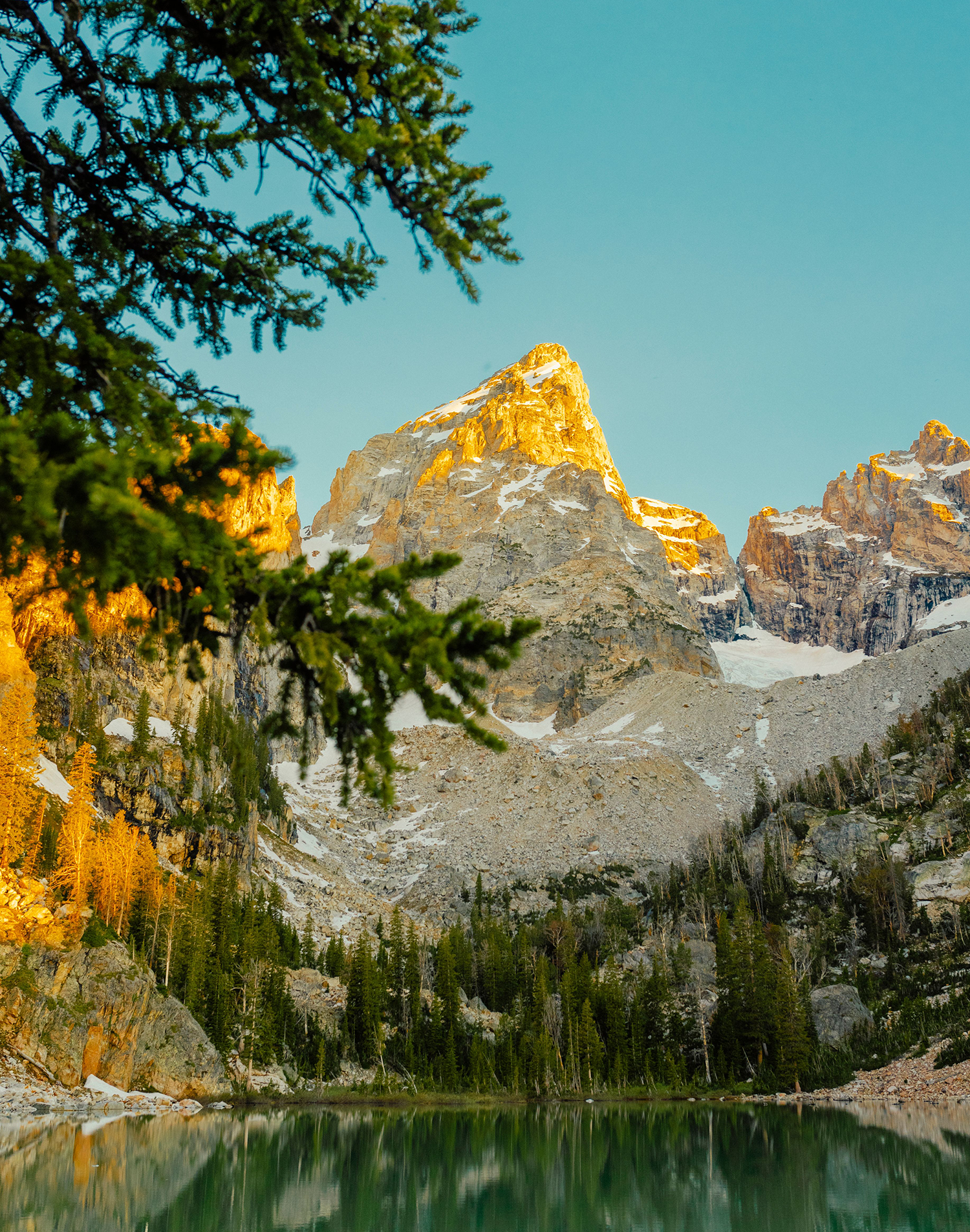
Grand Teton peak lit by the sun above Delta Lake.
On September 11, 2026, Grand Teton National Park staff euthanized a black bear near Delta Lake, one of the park's most popular backcountry destinations. The bear had not attacked anyone, in fact it had nothing wrong. It died because people gave it human food.
Park officials were blunt about who was responsible: this bear was lethally removed because of poor decisions made by park visitors.
Human-Bear interaction at Delta Lake
Earlier this year, park staff began receiving reports of a black bear approaching visitors near Delta Lake. The number of hikers visiting the lake's turquoise waters has risen sharply in recent years. At first, staff could not tell whether the encounters were isolated or a sign that the bear was becoming conditioned to people.
In early September, the situation became clear. Visitors repeatedly offered the bear food, and it began approaching people again and again. Wildlife staff increased monitoring and tried to haze the bear away, but it was unusually difficult to deter. That behavior is a hallmark of a bear conditioned to human food. Park managers determined that the bear's escalating boldness posed an unacceptable risk to public safety. Because Delta Lake is remote, staff tranquilized the bear and euthanized it on site. Its body was flown out of the backcountry the next morning.
Many people asked why the bear wasn't simply relocated. The park explained that translocation often isn't safe or effective, since bears have strong ties to their home ranges and frequently return. Finding suitable habitat with enough natural food, little human activity, and room for another bear is becoming increasingly difficult in the Greater Yellowstone Ecosystem (GYE).
Feeding Wildlife Is Not Kindness, It Is Harm
It can be tempting to see tossing a snack to a bear, or letting one nose through an unattended pack, as harmless, but it is not. Feeding wildlife is illegal in national parks, and for bears it is very often a death sentence.
A single food reward can teach a bear that people mean easy calories. Once a bear connects humans with food, it grows bolder and approaches campsites, trails, and picnic areas. That puts people at risk, and it almost always ends with wildlife managers being forced to remove the bear. The person who fed the bear walks away. The bear often pays with its life.
Feeding wildlife is not funny, cute, kind, or helpful. It is a form of abuse, even when it comes from a place of curiosity or affection. It strips a wild animal of the wariness that keeps it alive. Every visitor and resident shares the responsibility to prevent it, whether the food is handed over deliberately or left behind carelessly.
Grand Teton's guidance is simple:
Never leave food unattended, even for a moment.
Gather your belongings, especially food, if a bear approaches. As the park put it, if you have time to grab your phone, you have time to grab your food.
Store food in a locked, hard-sided vehicle or a bear box.
Never approach or feed wildlife. In Grand Teton and Yellowstone, stay at least 100 yards from bears and wolves and 25 yards from all other wildlife.
A Hungry Fall: The Berry Crop Has Failed
This year, bears face an added challenge: their natural fall foods are scarce.
In late summer and fall, bears enter hyperphagia, a period of intense eating when they may consume thousands of calories a day to build fat reserves for winter. In the Jackson Hole area, berries are a critical part of that diet. Grand Teton officials have described this year's berry yield as noticeably poor and warned that bears may roam widely in search of food.
Local botanical observers at Teton Plants report the same:
This fall is unusually devoid of berries! Hawthorns, huckleberries, serviceberries, dogwood, and chokecherries are scant … around Trail Creek and along the Moose-Wilson Road. These fruits are critical resources for bears and other wildlife. Bears need food for winter, their cubs are hungry. Hungry bears go farther afield for food and can be grouchy. — Teton Plants
Why so few berries? Teton Plants points to a strange spring. Unusually warm temperatures in March pushed leaves and flowers out early, and freezes and snow followed. The flowers, their pollinators, or both were likely frozen or thrown out of sync. The timing matters too. Last year produced a particularly abundant fruit crop, and plants often have less energy to put into fruit the year after a highly productive season.
Western mountain ash (Sorbus scopulina), with its bright orange clusters, is plentiful in spots, and orange berries have been seen in bear scat up Teton Pass. But there are also reports that bears may be vomiting them up. Early in the season, these fruits may still contain relatively high levels of cyanogenic compounds, too much for a hungry bear to eat all at once. Normally, many birds and mammals eat mountain ash later in winter, after the fruit has weathered.
Food-stressed bears roam farther, take more risks, and are more likely to wander into neighborhoods, campgrounds, and busy trails. That makes this a critical time for everyone to be careful.
A Close Call on Teton Pass
In August, a hiker on Teton Pass's History Trail surprised a mother black bear and her cub. The hiker's two dogs had run ahead and found the cub in the brush. The mother charged and bit the hiker, who deployed bear spray. The bear retreated, and the hiker sustained relatively minor injuries. Wyoming Game and Fish investigated and determined it was a surprise, defensive encounter, so no action was taken against the bear. It was the first bear-inflicted injury in the Jackson area this year.
The hiker's experience highlights several lessons:
Carry bear spray and know how to use it. She had practiced drawing her canister just before the hike, and it made the difference.
Dogs can draw bears in rather than keep them away. Recent research in the Journal of Wildlife Management suggests dogs may attract bears more than they deter them. A loose dog that surprises a cub can bring an angry mother straight back to its owner. Keep dogs leashed or close, in sight, and under voice control.
Frontcountry trails are still bear country. Being close to town doesn't mean you won't encounter bears, especially when they are following ripening berries.
Why Human-Wildlife Conflicts Are Increasing in the GYE
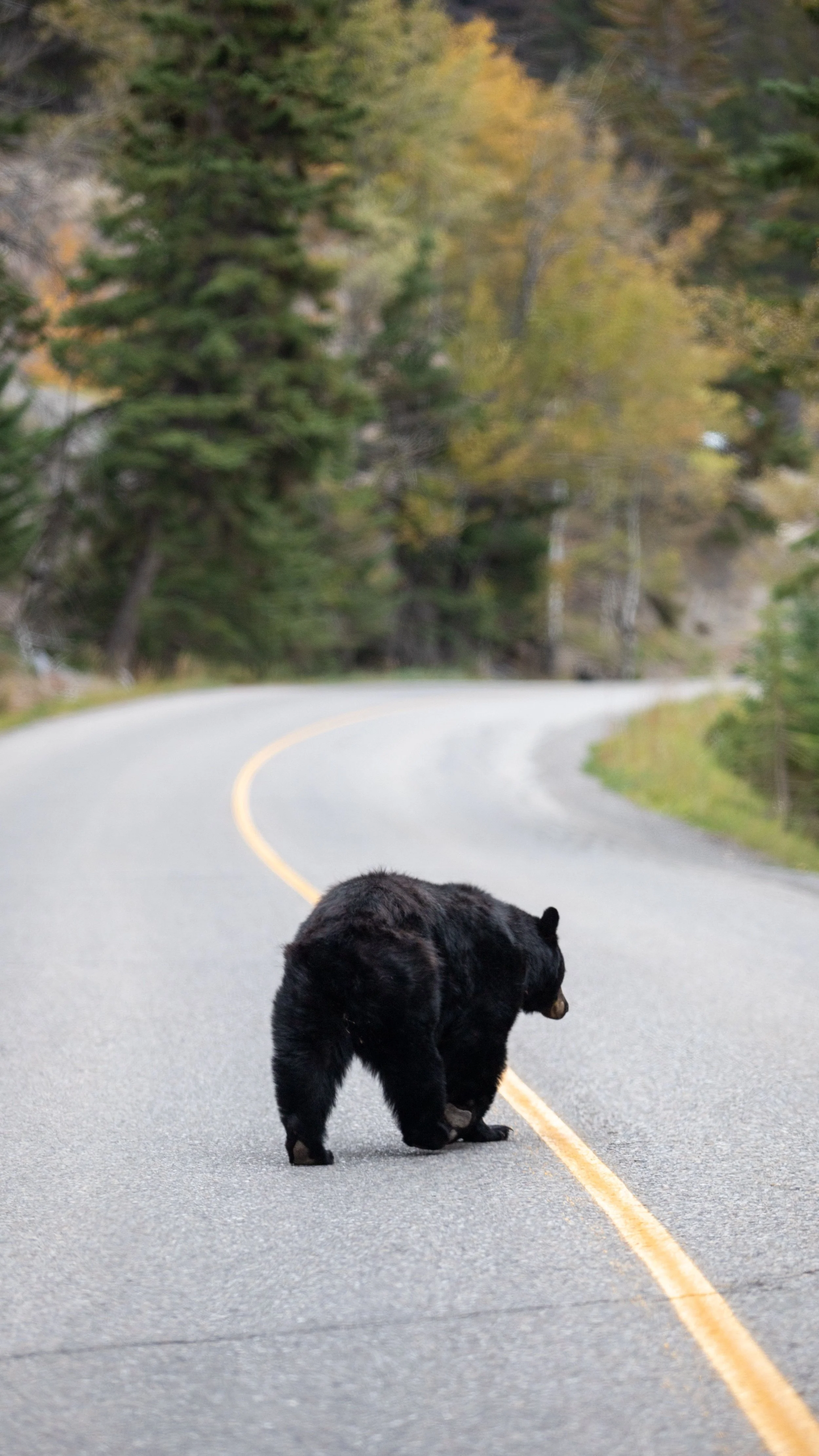
Human infrastructure like roads encroaches inexorably on wildlife habitat.
The Delta Lake bear and the Teton Pass encounter are part of a larger trend. Across the Greater Yellowstone Ecosystem, run-ins between people and wildlife are becoming more frequent, for several connected reasons.
More people on the landscape. Visitation to Grand Teton and Yellowstone has climbed dramatically, and year-round recreation keeps growing. Once-quiet destinations like Delta Lake now draw crowds. More people on more trails, at more hours, means more chances for encounters and more opportunities for wildlife to find human food.
Development in wildlife habitat. Homes, roads, and new construction continue to spread into winter range, migration corridors, and bear habitat. Garbage cans, bird feeders, pet food, fruit trees, compost, and chicken coops become easy meals, especially in the wildland-urban interface.
Growing and expanding bear populations. Grizzly bears have recovered from historic lows and are expanding into areas where they haven't been seen in generations, including places where residents are less accustomed to living with bears.
Loss of key natural foods. Bears in the GYE have lost important food sources over recent decades. Whitebark pine, whose nutrient-rich seeds bears rely on, has declined sharply from blister rust and mountain pine beetles. Native cutthroat trout populations have also struggled in parts of the ecosystem.
A changing, unpredictable climate. This year's failed berry crop is a clear example. Warmer springs, late freezes, drought, and shifting seasons disrupt the timing of plants, pollinators, and wildlife, and animals must search harder and farther for food.
Habituation and "wildlife jams." Wildlife viewing is part of what makes this region extraordinary. But crowds that approach animals for photos, block roads, or linger too long teach wildlife to tolerate people at unsafe distances. The same pressures affect moose, elk, bison, foxes, and other species.
How You Can Help Prevent Conflicts
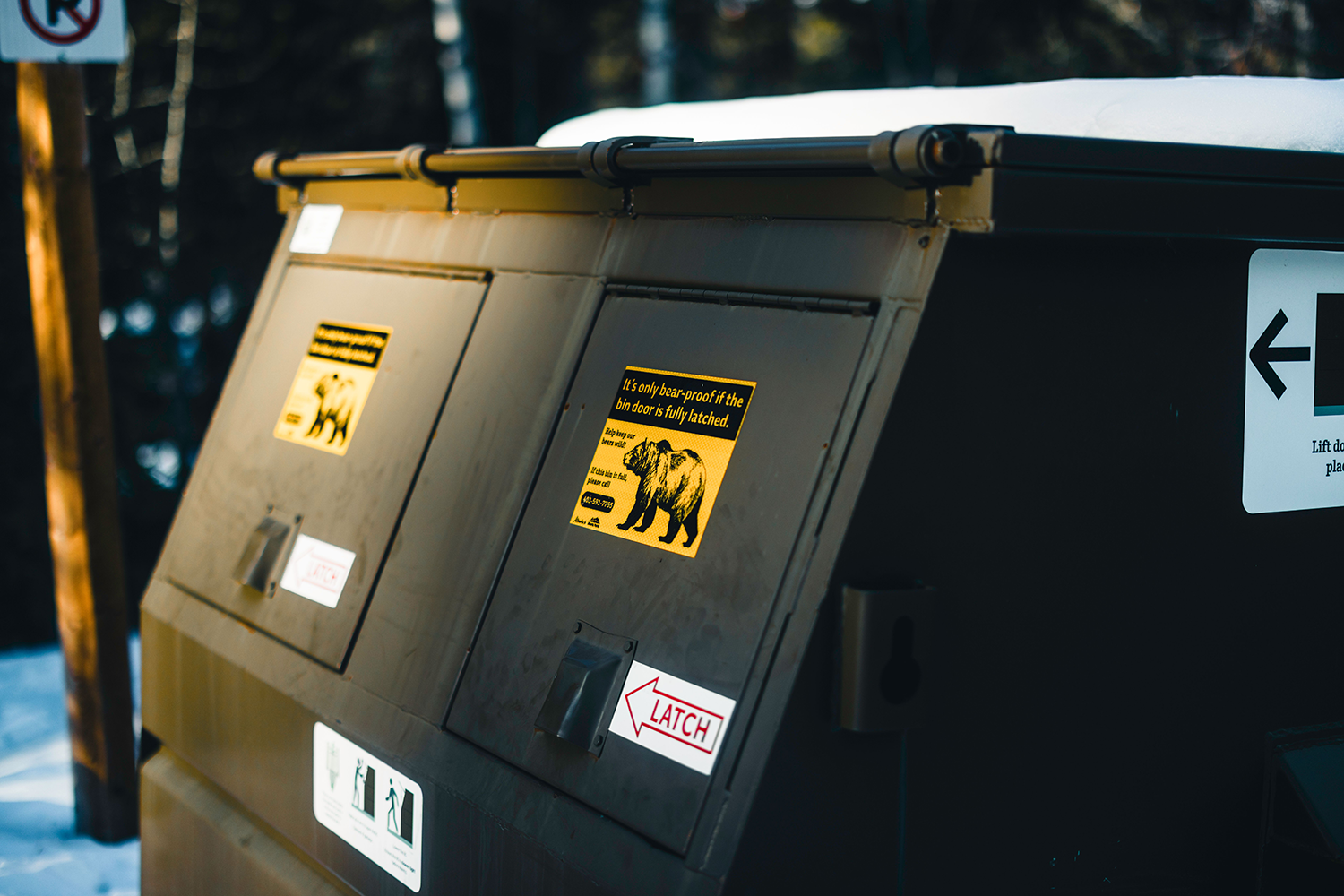
Bear-resistant trash can.
Most conflicts with bears are preventable, and prevention starts at home and on the trail.
At home and in your neighborhood:
Use bear-resistant trash cans, and keep them secured until the morning of pickup.
Take down bird feeders from spring through late fall, especially this year.
Store pet food, livestock feed, and birdseed indoors or in secure buildings.
Clean grills after each use, and pick up fallen fruit from trees.
Protect chickens, beehives, and compost with electric fencing.
Talk to your neighbors. One unsecured garbage can can put a whole neighborhood's bears at risk.
On the trail and in the park:
Carry bear spray where you can reach it quickly, and practice drawing it.
Hike in groups, make noise, and skip the earbuds.
Be extra alert around berry patches, streams, and thick brush, especially at dawn and dusk.
Keep dogs leashed and close.
Store food and scented items in bear-resistant lockers or hard-sided vehicles.
If you see a bear, back away. Forget the photo or video.
Keep Wildlife Wild
The black bear at Delta Lake should still be alive, fattening up for winter in the backcountry of Grand Teton National Park. Its death is a painful reminder that the way we behave around wildlife has real consequences.
In a fall when natural foods are scarce and bears are hungrier than usual, our choices matter even more. Secure your trash, never feed wildlife, give animals space, and look out for each other and for the bears. Keeping wildlife wild is how we protect both.
Read The New York Times coverage of the Delta Lake bear at nytimes.com. Learn more about living responsibly with bears through the Jackson Hole Wildlife Foundation's Bear Wise program at jhwildlife.org. Read more about the Teton Pass encounter in the Jackson Hole News & Guide.