


How to Report Animal Abuse in Wyoming
Who to call to report animal cruelty in Wyoming
Wyoming doesn't have a single statewide animal abuse hotline. Reports go to local agencies, and the right one depends on what you saw.
Animal control handles most neglect cases. Animal control officers work for city police or county sheriff's departments, and they can enforce animal laws. Sometimes neglect happens because an owner doesn't know better (a puppy's collar that's become too tight as it grew, for example), and an officer can fix it with a little education. When an owner simply doesn't care, officers can take further action.
Law enforcement, such as your sheriff's office or police department, handles cruelty you've witnessed. Call 911 only if it's happening right now.
A local rescue group can also help. Rescues often know the animal control officers in their area, and they may already know about the owner. If an earlier report exists, yours helps show a pattern rather than a one-time event.
Livestock and wildlife
Horses, cattle, sheep, and other livestock: contact your county sheriff or the Wyoming Livestock Board at 307-777-7515.
Wildlife: contact your regional Wyoming Game and Fish office. Regional contact info can be found here: https://wgfd.wyo.gov/regional-information.
evidence matters in Wyoming animal abuse cases
Evidence-backed reports may result in action; rumors and accusations will not. Some states send certified animal cruelty investigators to every case. Wyoming doesn't, so the evidence you collect is critical and may make or break the case.
In Wyoming, animals are legally considered property, and animal cruelty cases are rarely a priority in court. Staying in touch with the investigating agency until the case closes helps keep it from being dropped.
Research shows that animal abuse and domestic violence are linked. Where one is happening, the other may be too. If you notice people in the home being neglected or hear fighting, note that as well.
How to Report Animal Abuse: 6 Steps
1.
2.
3.
4.
5.
6.
Who to call right now
Abuse happening right now in front of you: call 911.
Cruelty you've witnessed but isn't happening now: call your sheriff's office or the police non-emergency line.
Neglect, abandonment, or general concerns: call your local animal control agency.
Keep a log of what you see
Write down dates, times, the location, and specific details. Include the names of anyone involved and any earlier reports you know of.
For suspected starvation or dehydration, log when the animal is fed. Photograph empty food and water dishes and note the time of each photo. Ask neighbors or friends to witness too. Failing to provide proper food, water, or shelter is animal cruelty under Wyoming law (W.S. 6-3-1002).
Document the animal's condition
Note wounds, injuries, illness, or neglect that isn't being treated. Look at the animal’s coat, body condition, and energy level. Photos and video are your strongest evidence.
Report animals left without shelter
Wyoming weather can kill. Leaving an animal without adequate shelter in those conditions is against the law. If a dog is chained outside with no shelter during a deep-freeze warning, photograph it and report it.
Report abandoned pets
Wyoming's population moves often, from energy workers in temporary housing to college students and seasonal residents. Too often, pets are left behind when people move, especially in rural areas. If a neighbor with pets moves out, check on the animals. Report abandoned pets to animal control, a shelter, or a rescue.
Document the investigation
Write down the name, car number, and badge number of whoever responds. Record what happens and keep a copy of everything you give law enforcement. If the abuse continues after the officer leaves, report it again.
Follow up on your report
Indicate to the investigating law enforcement officer that you want a status report and the outcome of the case. If you do not hear back within a few days, call the law enforcement agency. Many people want to remain anonymous, and sometimes that is possible. However, animals need an advocate, so don’t be afraid to speak up. Perhaps there are others who have the same concerns and may be able to add information when you report it.
Improving animal abuse investigations in Wyoming
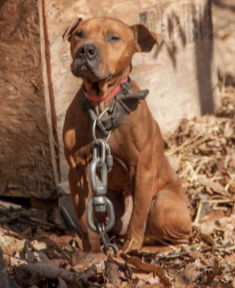
Training and education for our law enforcement officers, attorneys, and animal control/community service officers are the key to success. Proper training on conducting good investigations, coupled with stronger animal abuse laws, are ways Wyoming can change the attitude and behavior regarding animal abuse issues. Public involvement and education will also help raise the level of awareness of this crime. Experience, perceptions, and attitudes of the city, county, or state attorney are significant factors in prosecution or lack thereof.
Frequently asked questions about reporting animal abuse in Wyoming
Is there an animal abuse hotline in Wyoming? Wyoming doesn't have a statewide animal abuse hotline. Call 911 if abuse is happening right now. For other cruelty, call your sheriff's office or police non-emergency line. For neglect or abandonment, call your local animal control agency.
How do I contact animal control in Wyoming? Animal control is run by each city or county, usually through the police or sheriff's department. Call the non-emergency line and ask for animal control.
Can I report animal abuse anonymously in Wyoming? Sometimes. Many agencies accept anonymous tips, but a report with your name and contact information is easier to investigate and follow up on.
What evidence do I need to report animal cruelty? Photos and video with dates and times, a written log of what you observed, the animal's condition, and the names of anyone involved. Witnesses help too.
What should I do if nothing happens after I report? Call the agency after a few days and ask for a status update. Report any new incidents. If you're stuck, contact WYCAP for help navigating the process.
Who handles livestock or wildlife abuse in Wyoming? For livestock, contact your county sheriff or the Wyoming Livestock Board. For wildlife, contact Wyoming Game and Fish.
More resources for reporting animal cruelty
Humane Society of the United States: https://www.humanesociety.org/resources/report-animal-cruelty
ASPCA: https://www.aspca.org/take-action/report-animal-cruelty
Animal Legal Defense Fund: https://aldf.org/article/investigating-and-prosecuting-animal-abuse/
American Humane Association: https://www.americanhumane.org/fact-sheet/animal-abuse/
Best Friends Animal Sanctuary: https://resources.bestfriends.org/article/animal-cruelty-and-abuse-or-neglect
KEY TERMS
Animal Cruelty
Animal Cruelty is defined as the mistreatment of animals that can result in death. The definition can also include abuse, neglect, exploitation, and abandonment. As long as animals are defined as property, the value as living creatures will not be recognized.
Animal control
An office or department responsible for enforcing ordinances relating to the control, impoundment, and disposition of animals. Animal control officers are employed by city and county governments to ensure the health and safety of both humans and animals while enforcing animal-related laws. Often officers work for the police or sheriff's department
Animal shelter
An animal shelter or pound is a place where stray, lost, abandoned or surrendered animals, mostly dogs and cats, and sometimes sick or wounded wildlife are kept and rehabilitated. They are often brought to the shelter by animal control officers or employees.
Animal Rescue
There are two major differences between shelters and rescue groups:
Shelters are usually run and funded by local governments. While some shelters place animals in foster homes, many are housed on-site in kennels. Shelters are often operated in conjunction with local animal control programs. Often, shelters have limits on the number of days an animal is maintained or housed before it is provided to a rescue group or euthanized.
Rescue groups are funded mainly by donations and most of the staff are volunteers and private citizens. An animal rescue group or animal rescue organization is dedicated to pet adoption. These groups take unwanted, abandoned, abused, or stray pets and attempt to find suitable homes for them.
Animal Sanctuary
An animal sanctuary is a facility where animals are brought to live and be protected for the rest of their lives. Unlike animal shelters, sanctuaries do not seek to place animals with individuals or groups, instead maintaining each animal until his or her natural death.
Animal Foster Home
A rescue group does not have a physical shelter and depends on foster homes to care for dogs, cats, horses, and other companion animals until suitable homes are found.
Animal Trap Neuter Release Program
Trap-neuter-return (TNR) is a type of program through which free-roaming cats are trapped, sterilized (males are castrated, and females undergo ova-hysterectomies), and returned to the outdoor locations where they were found. TNR is sometimes described as trap-neuter-release, changing the last word of the acronym.
Adoption
Pet adoption is the process of taking responsibility for a pet that a previous owner has abandoned or released to a shelter or rescue organization. Common sources for adoptable pets are animal shelters and rescue groups.
Animal Euthanasia
Animal euthanasia (euthanasia from Greek: €;u8avacria; "good death") is the act of putting an animal to death or allowing it to die by withholding extreme medical measures .... In domesticated animals, this process is commonly referred to by euphemisms such as "put down".
Animal Investigation
Animal abuse and animal cruelty cases, involving both living and deceased animals, introduced to the legal process due to the extreme nature of the facts. The facts and or evidence collected and documented involve the goal of prosecution of the individual(s) involved. The facts are presented to the county prosecuting attorney's office for consideration of criminal charges.
Animal Law Enforcement
Animal cops can be employed by law enforcement agencies or nonprofit organizations. Animal cop, or animal control officer, might take on alternative roles as a humane law enforcement officer (employed by the local animal control office or Humane Society).